Activated carbon, applied
Water, air, food, chemical and gold mine applications. Each has its own grades and its own page.
Where activated carbon is used
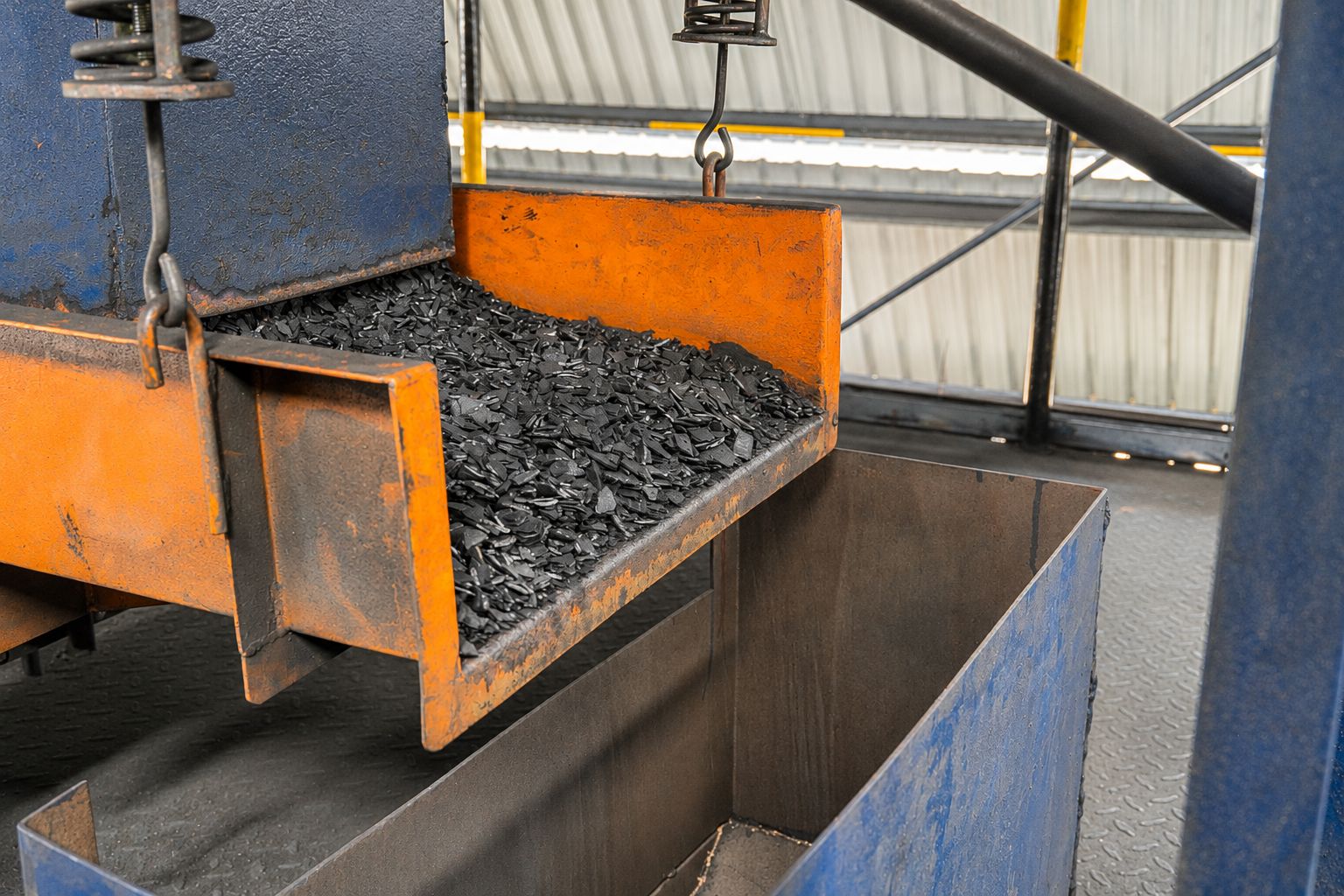
Gold Recovery
Gold extraction is the largest single use of coconut shell activated carbon worldwide.
4 applications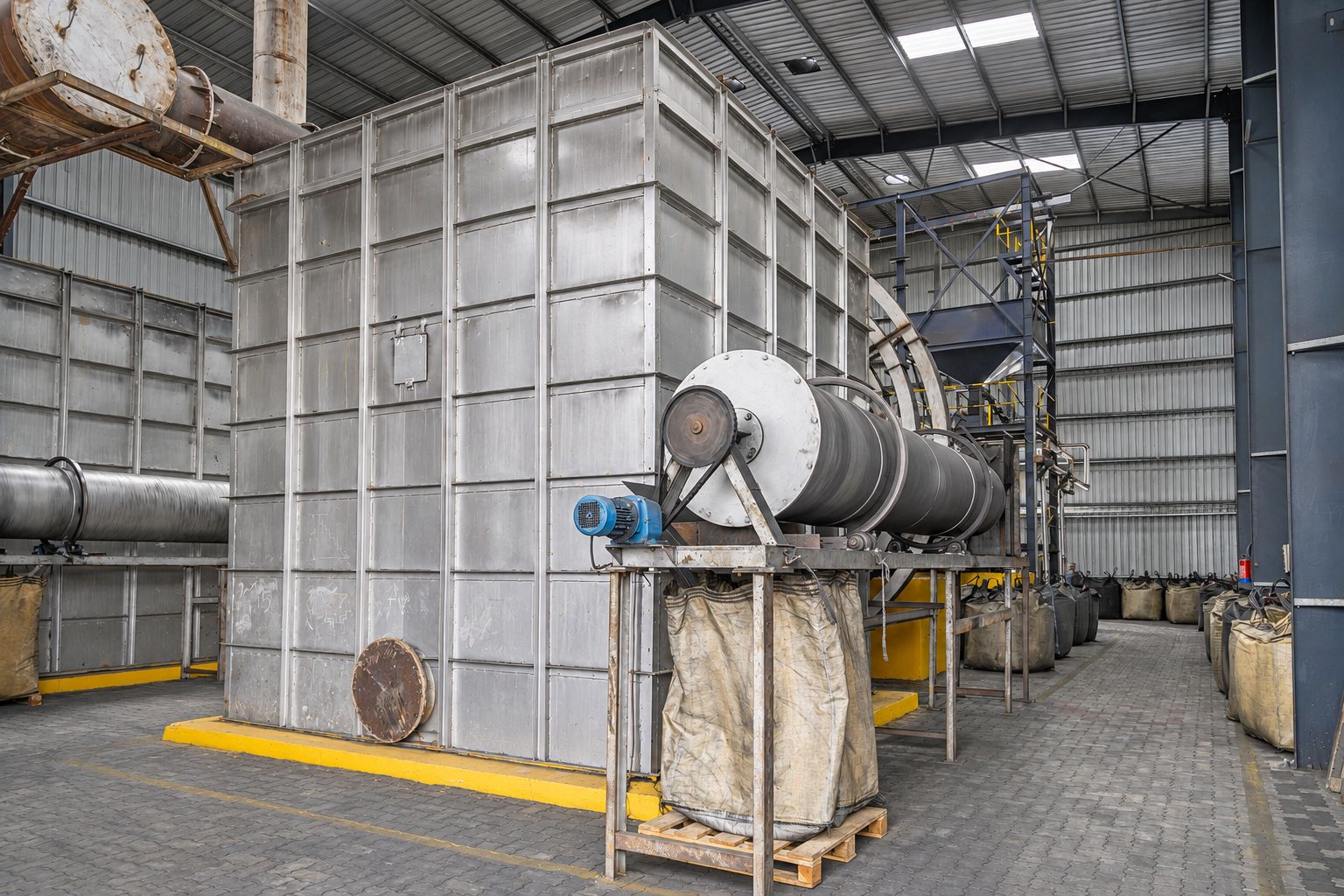
Carbon Emission Control
Activated carbon captures volatile organic compounds, odors and solvent vapors from air and gas streams.
8 applications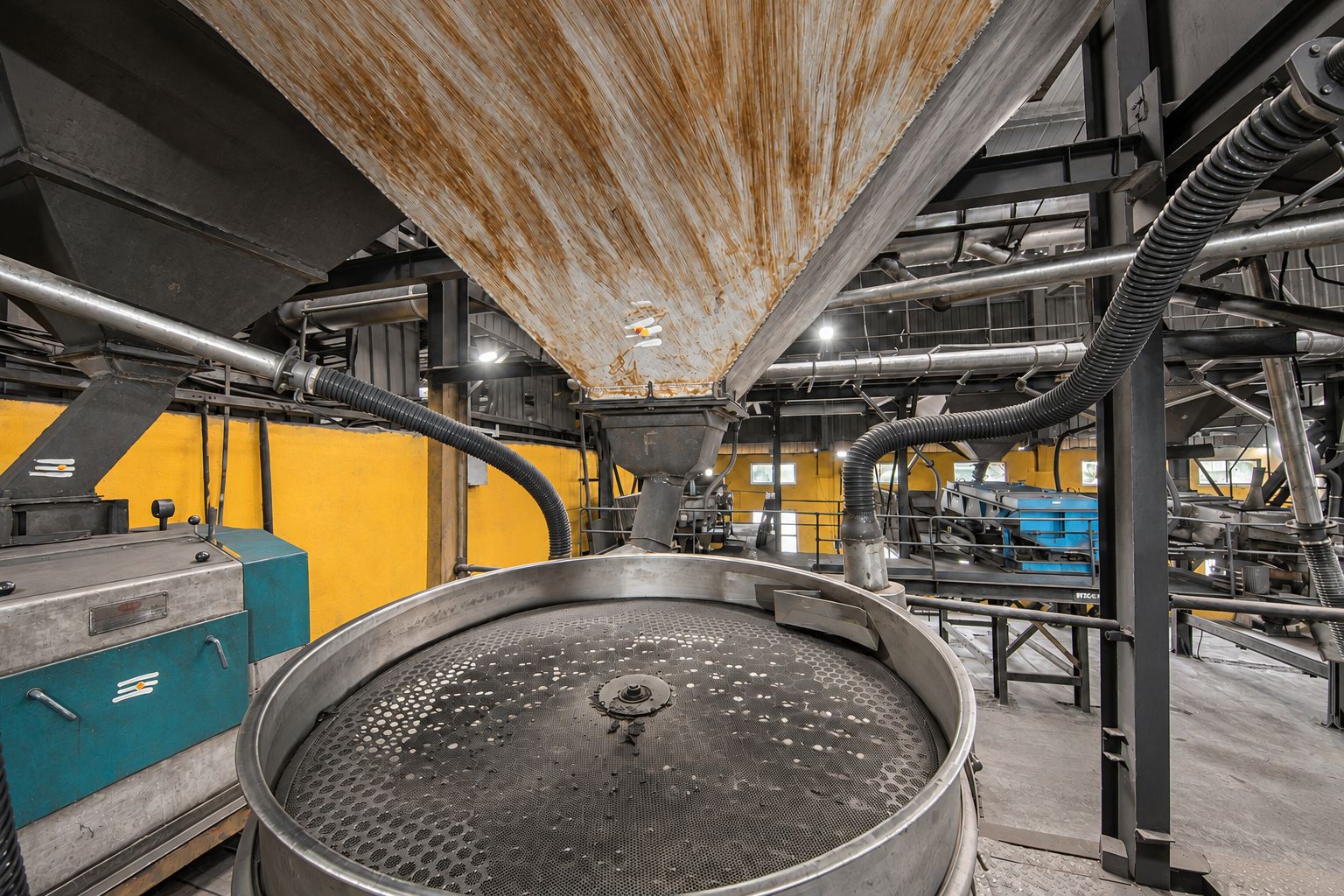
Water Treatment
Granular and powdered carbon remove organic compounds, taste and odor, and many contaminants from drinking, process and waste water.
6 applications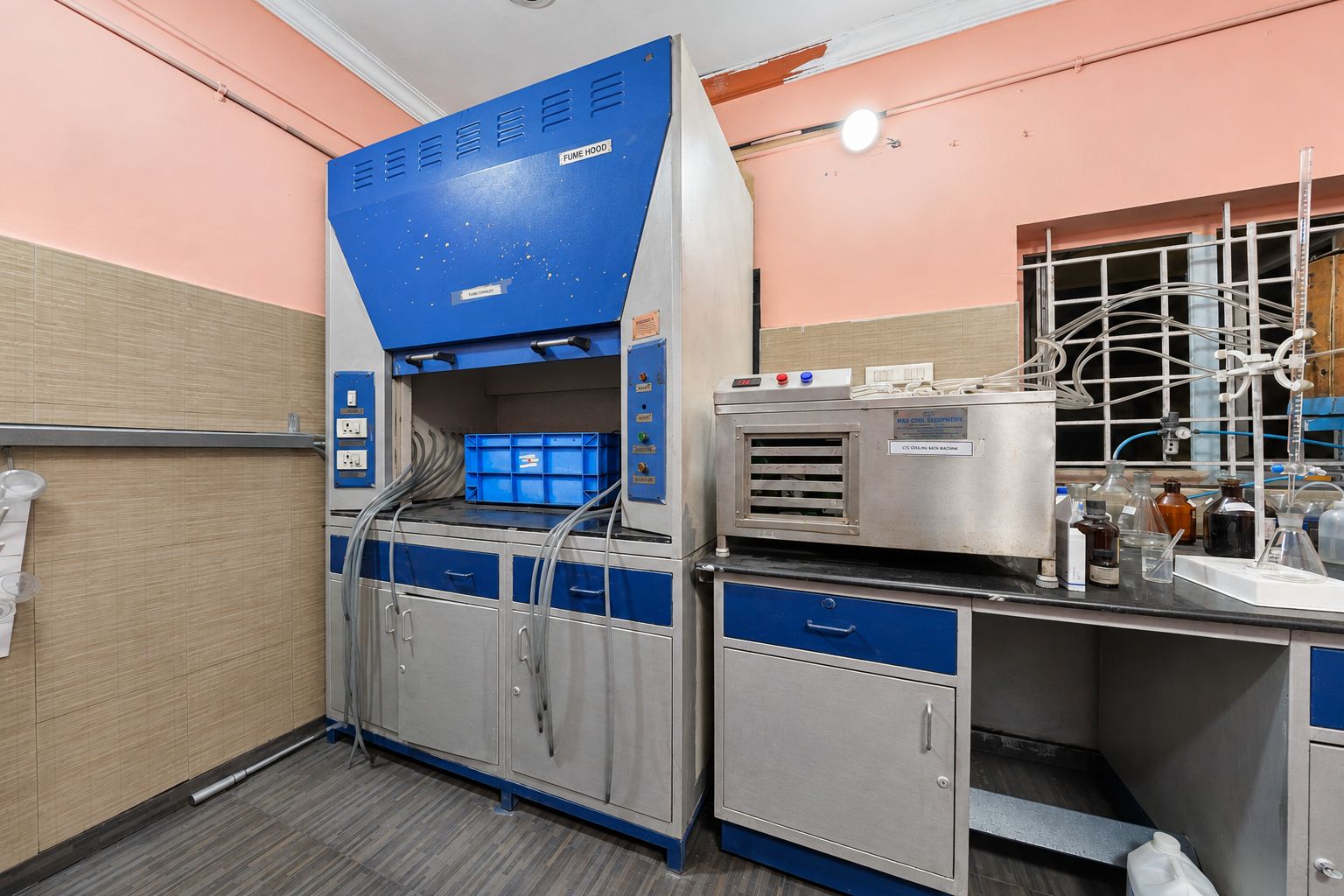
Semiconductor
Semiconductor fabs use carbon in water polishing and exhaust treatment. Specifications are set by the fab. Carbure’s technical validation for this industry is still to be completed.
2 applications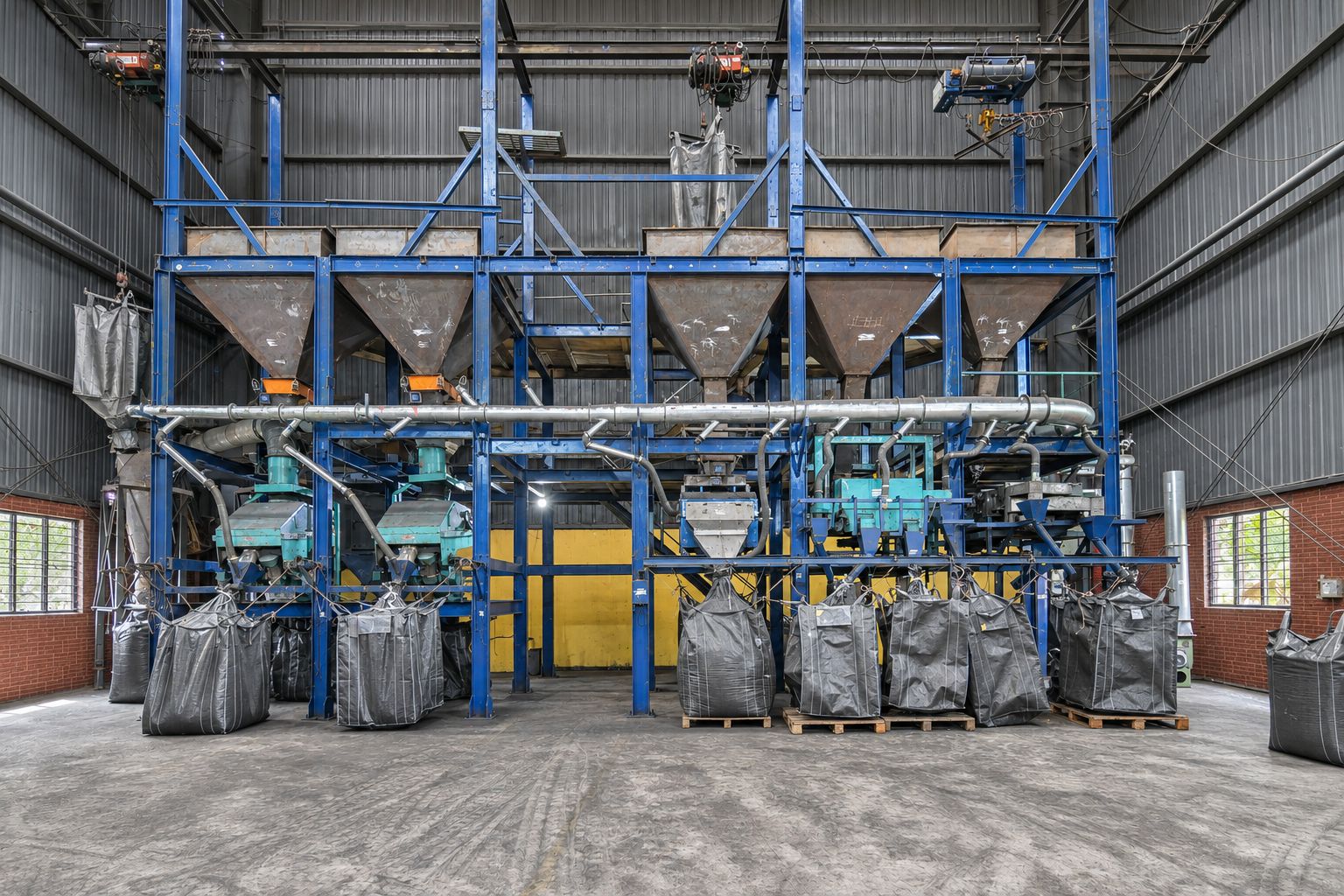
Cigarette Filters
Filter makers use carbon in cigarette filters to adsorb vapor-phase compounds. Grade and particle size are set by the filter maker.
1 applications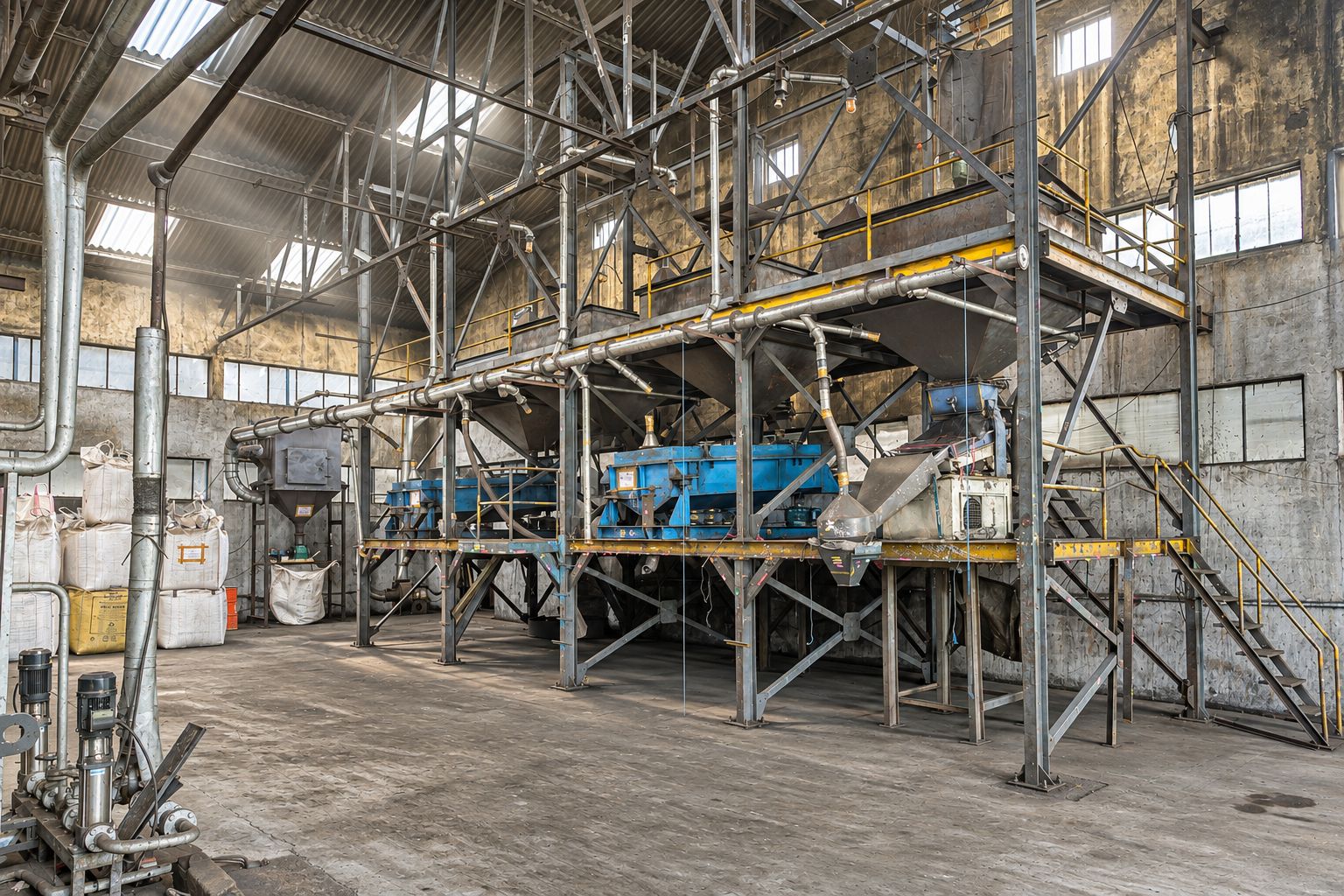
EV and Energy Storage
Activated carbon is used as electrode material in ultra-capacitors. Carbure’s scope for EV and energy storage is still to be confirmed.
1 applications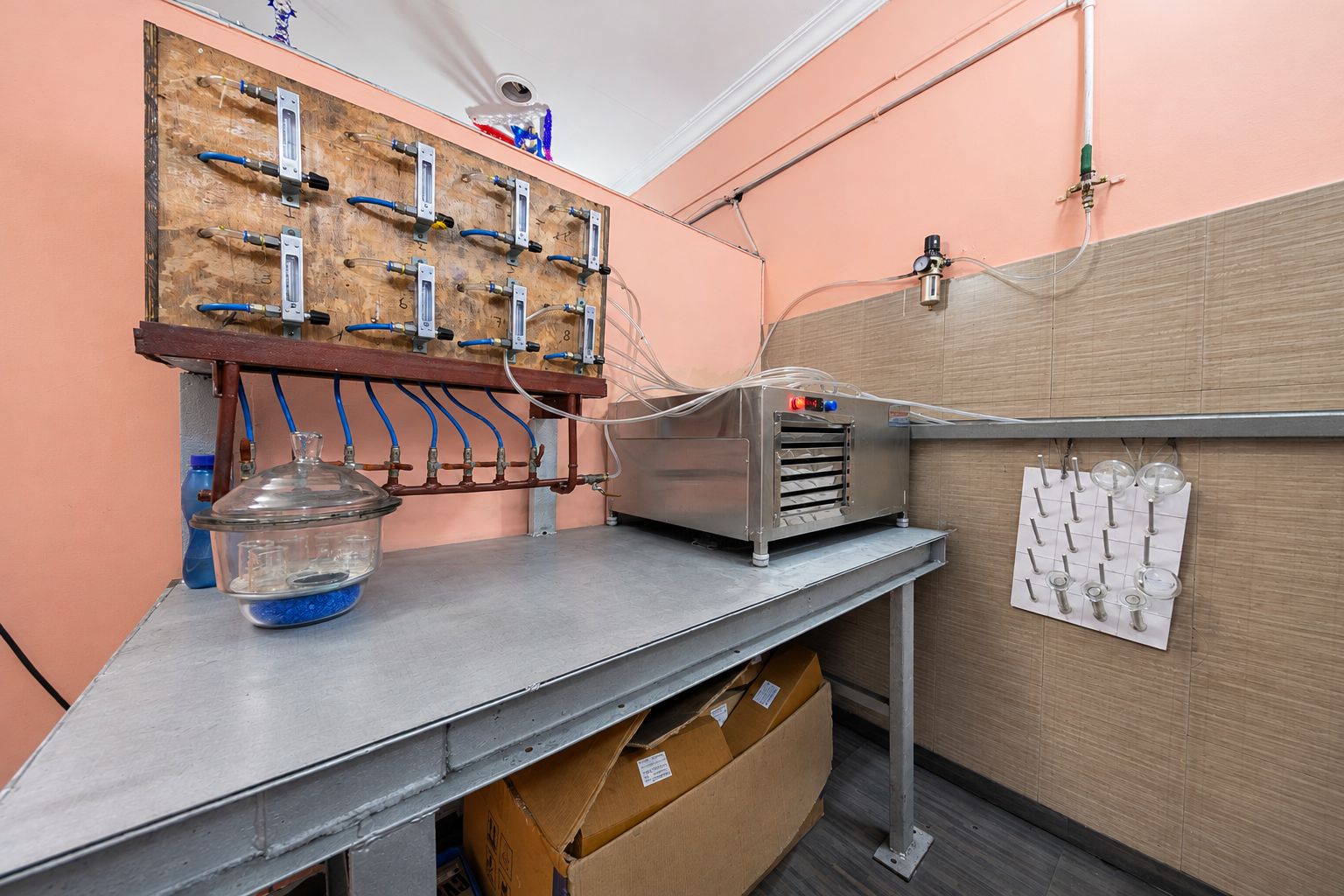
Pharmaceutical
Pharmaceutical producers use carbon to remove color and impurities from process streams.
1 applications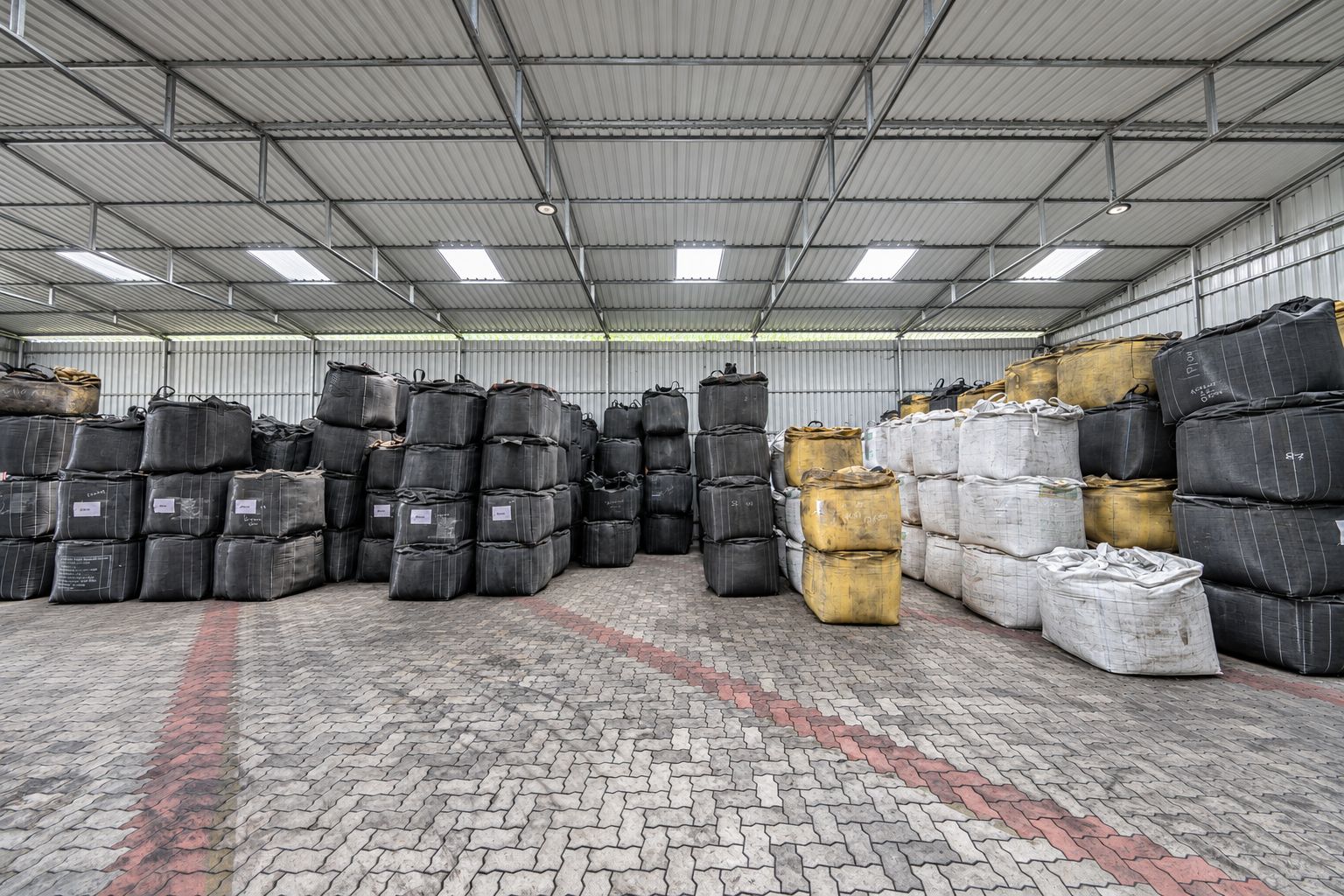
Food and Beverage
Carbon decolorizes and purifies food ingredients such as glycerin, edible oil, sugar and juice.
4 applications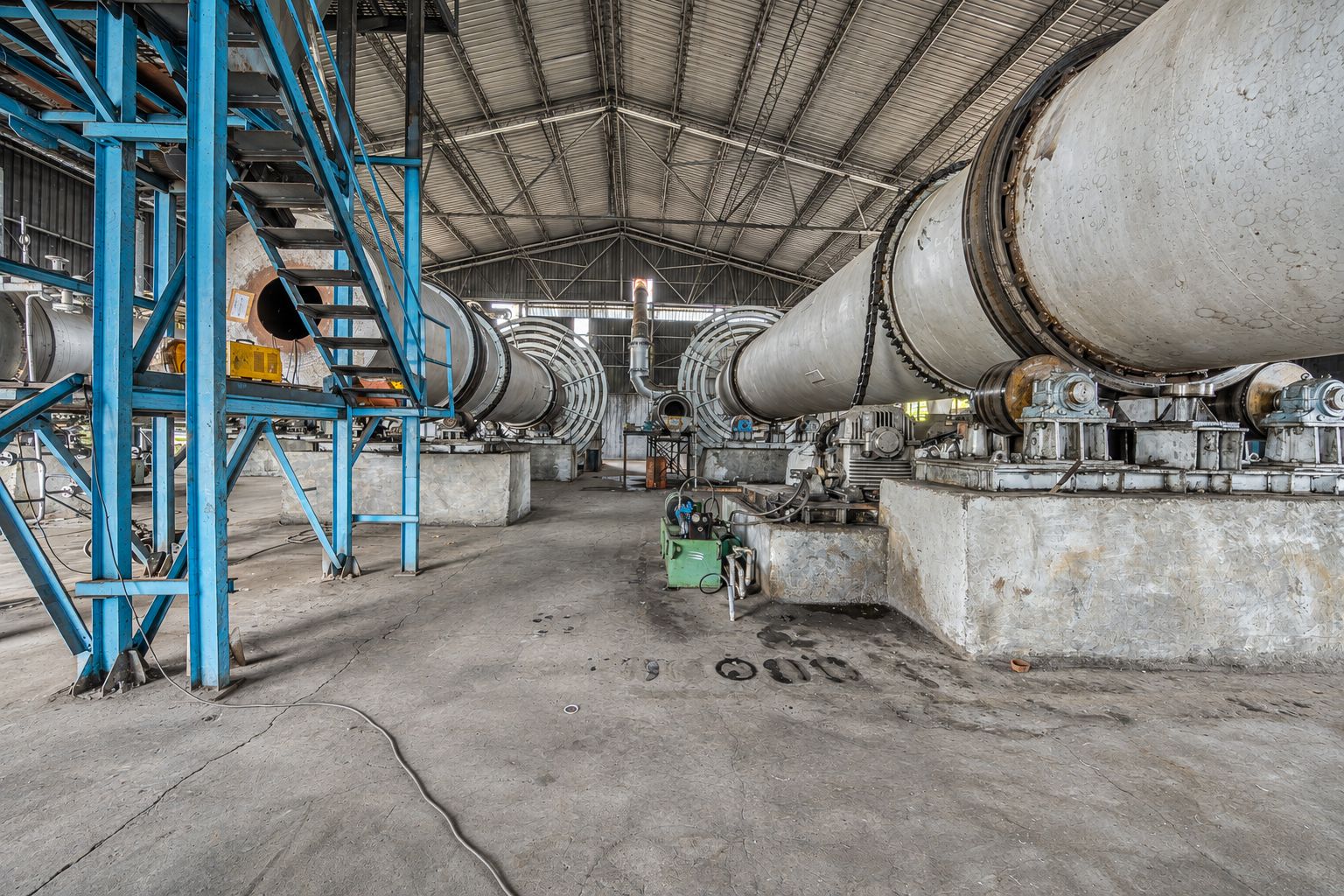
Chemical and Process
Carbon purifies chemical and process streams, from glycol and amine solutions to industrial oils.
4 applicationsGold recovery
Activated carbon for gold recovery has a highly developed pore structure for optimum adsorption while keeping high hardness. This gives a high gold loading capacity and consistent recovery of properties after regeneration, so make-up requirements are minimized and the cost of operation falls.
How activated carbon is made and why it works
Introduction
Activated carbon can be made from coal, coconut shell or wood. The material is charred to carbon, then activated by chemicals or by high-temperature steam. This gives a carbon with a huge network of pores and a very high surface area, typically 300 to 2000 m²/g. The pores are sites where contaminants in gases and liquids stick.
Activation
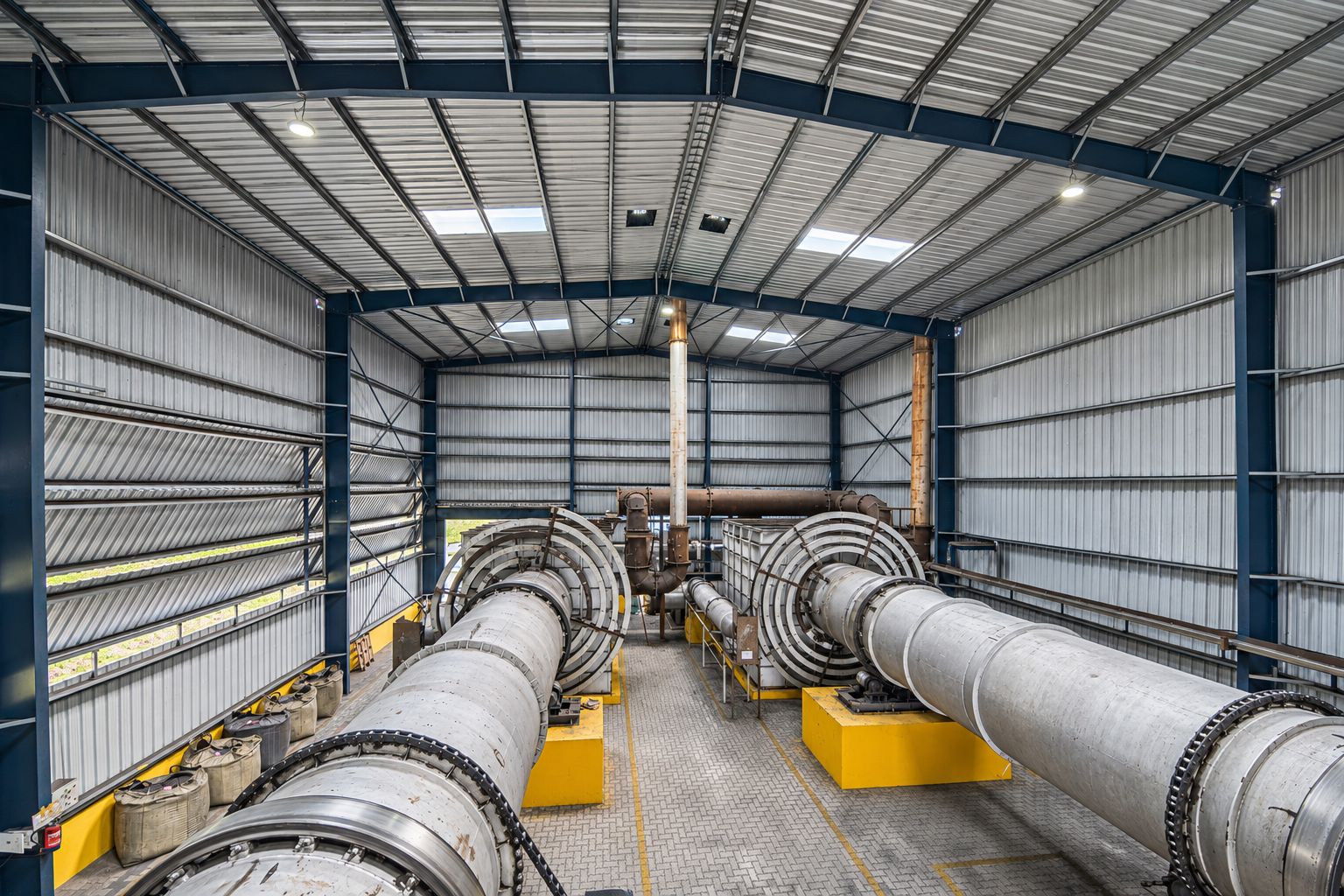
Wood, coconut shell or coal is first carbonized to charcoal at about 550 °C in an oxygen-free atmosphere. This drives off volatile organic compounds and leaves the carbon and the minerals (ash).
Steam activation
The charcoal is then activated at up to 1000 °C in a steam atmosphere. Steam reacts with the carbon, burning away part of it and opening pores. The temperature, time and steam flow set the pore size distribution and the level of activity.
Impregnation
Impregnation treats the carbon with a reagent that reacts with low molecular weight or polar gases such as chlorine, sulfur dioxide, formaldehyde and ammonia, binding them on the carbon. This is chemisorption. Loading and distribution of the reagent must be well controlled, because activity, moisture and particle size all affect performance and service life.