
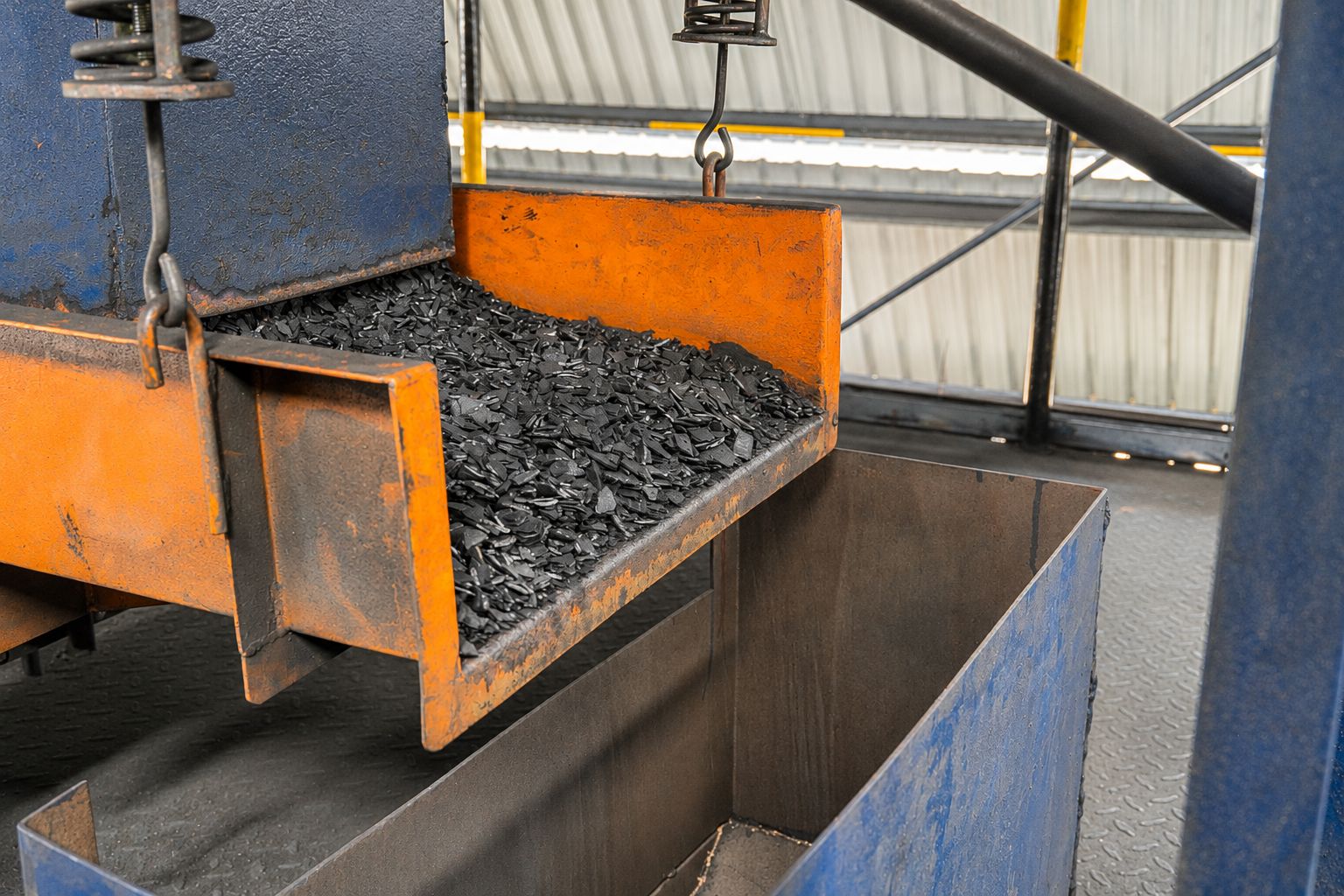
Gold Recovery
Gold extraction is the largest single use of coconut shell activated carbon worldwide.
Gold grade 6x12 carbon
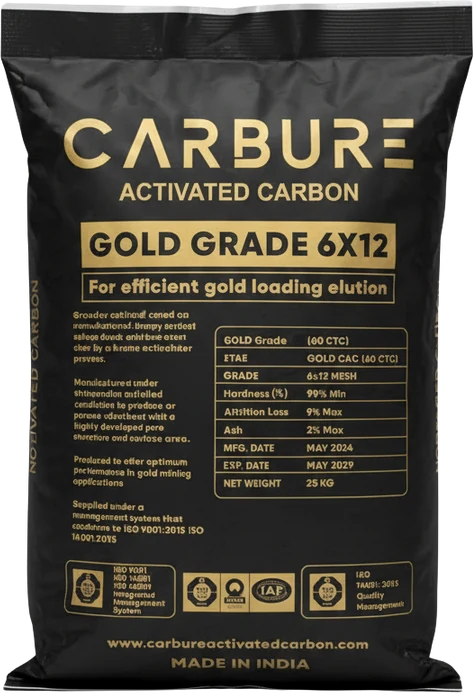
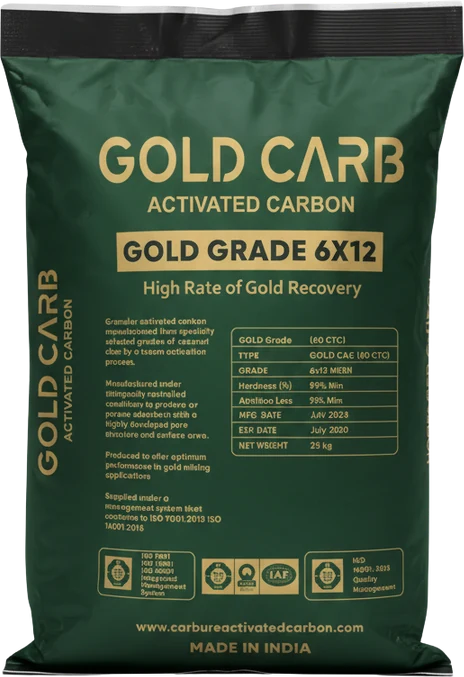
Activated carbon in gold recovery
Gold is extracted from crushed ore by dissolving it in a cyanide solution. Activated carbon adsorbs the dissolved gold, then the gold is stripped from the carbon and recovered, and the carbon is reused. Coconut shell carbon is the standard choice because its hardness stops it from breaking down in the stirred tanks and its micropores hold the gold complex well.
Three properties decide how a carbon performs in a gold plant: activity (how fast and how much gold it loads), hardness (how much it loses to attrition), and its behaviour after reactivation. Together they set the cost of carbon per ounce of gold.
Gold Recovery applications
Each application has its own page.
CIP and CIL
In carbon-in-pulp and carbon-in-leach circuits, carbon moves against the slurry flow and adsorbs dissolved gold, then is stripped and reused.
Read more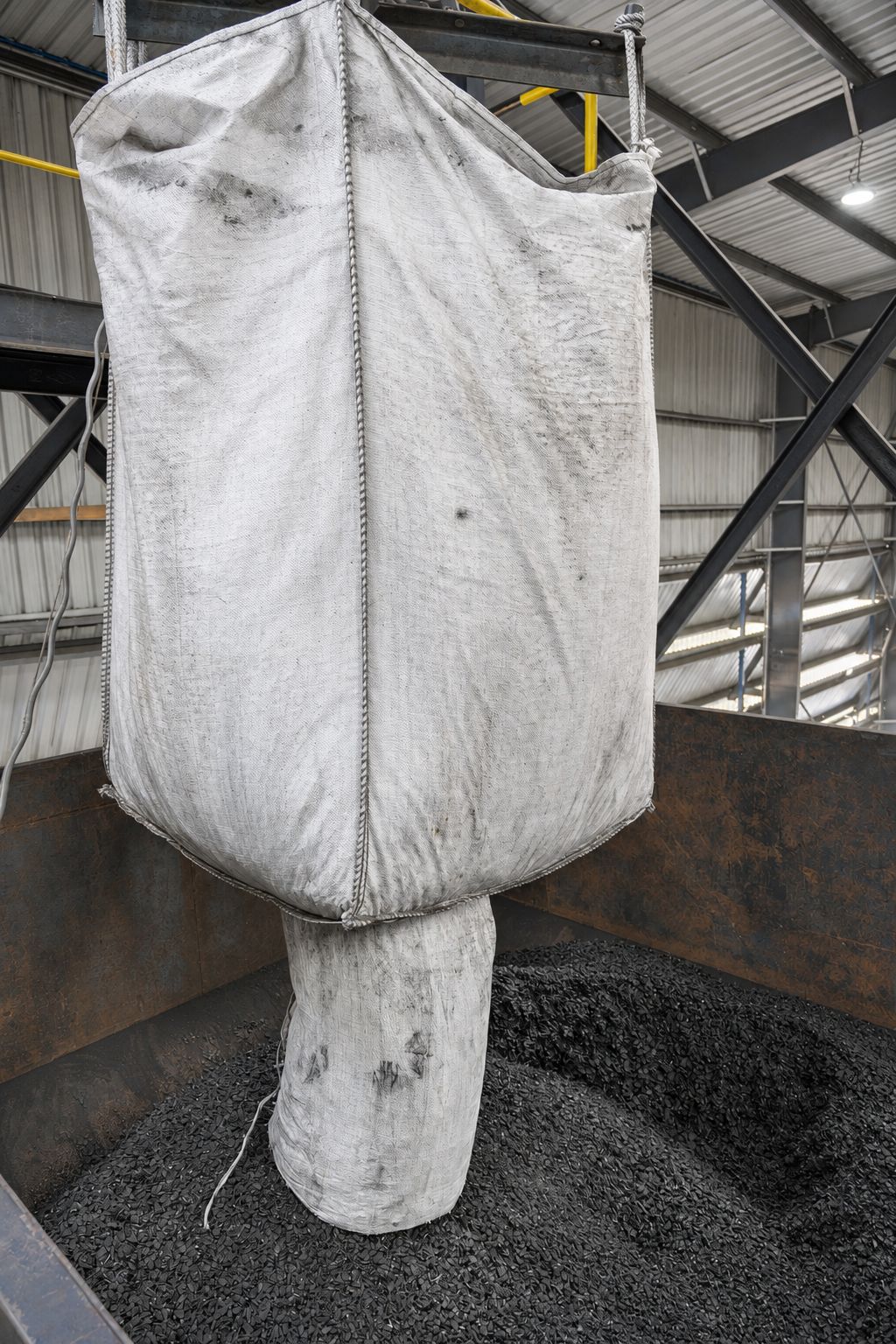
Carbon in column
Gold-bearing solution is pumped through columns of carbon, which adsorbs the gold as the solution passes.
Read more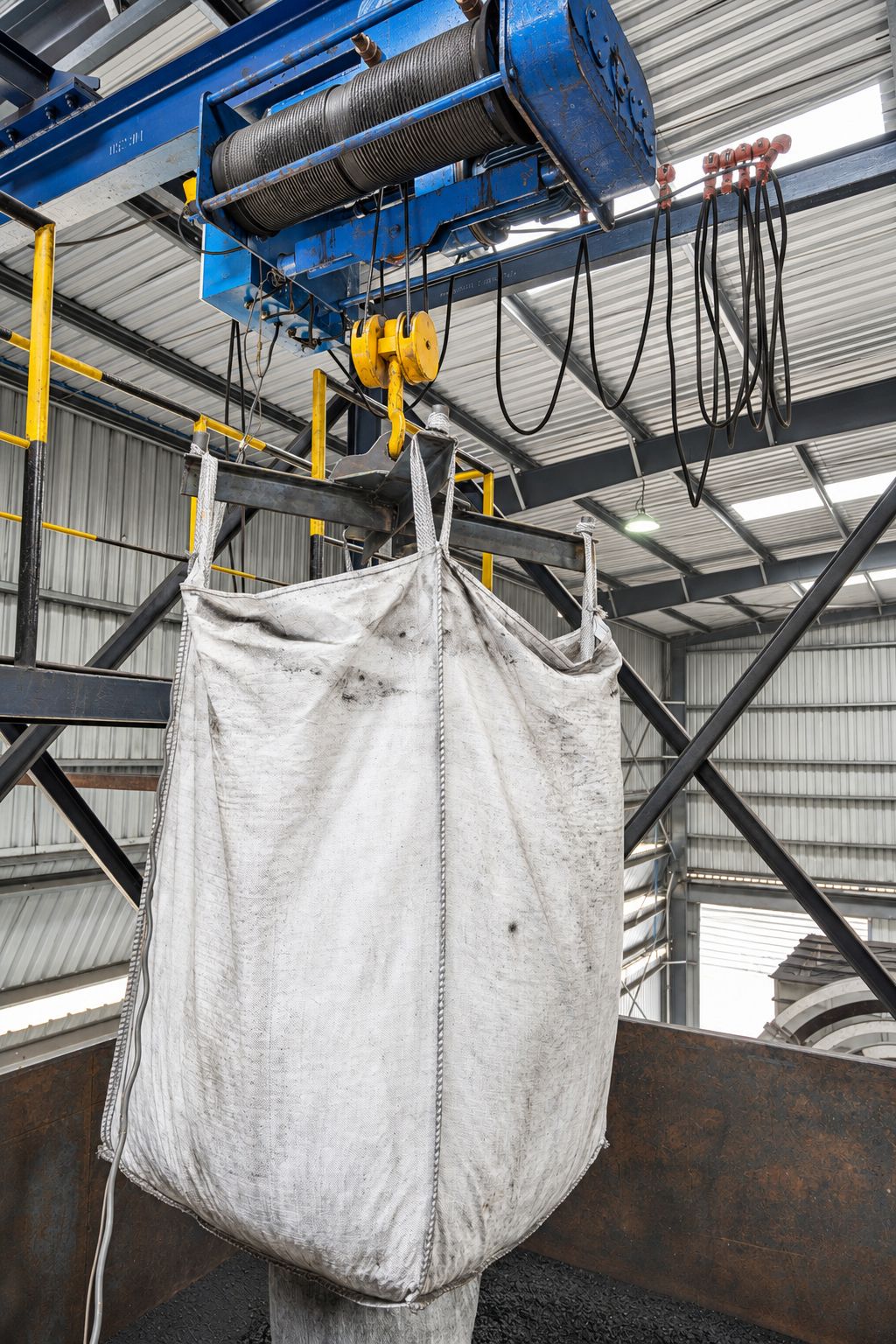
Silver and PGM recovery
Carbon is also used to recover silver and some platinum-group metals from process solutions.
Read more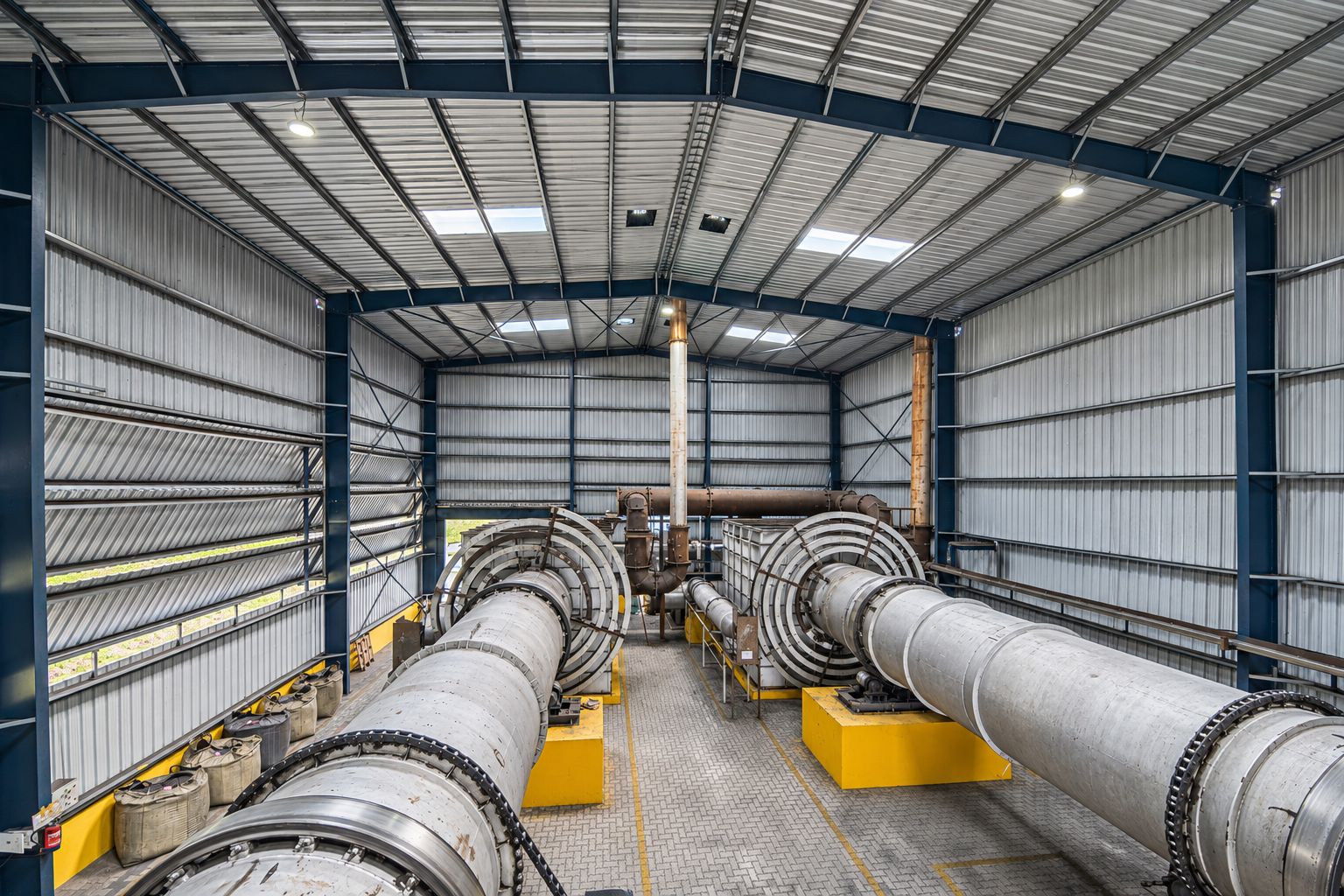
Reactivation and handling
Loaded carbon is stripped and thermally reactivated for reuse. Handling affects carbon loss and activity.
Read moreGrades we supply for gold recovery
What to look at
Activity
High CTC and iodine for fast gold loading.
Hardness
Resists attrition in agitated tanks.
Reactivation
Holds its structure through thermal cycles.
Size distribution
Tight sizing for screens and transfers.
How a trial works
Share your process
Tell us the application, volume and your current carbon.
We recommend a grade
From our technical team, with the data sheet.
Trial lot
A sample or a trial lot is sent for your test.
Supply
On approval, supply moves to regular orders with a certificate for each lot.