
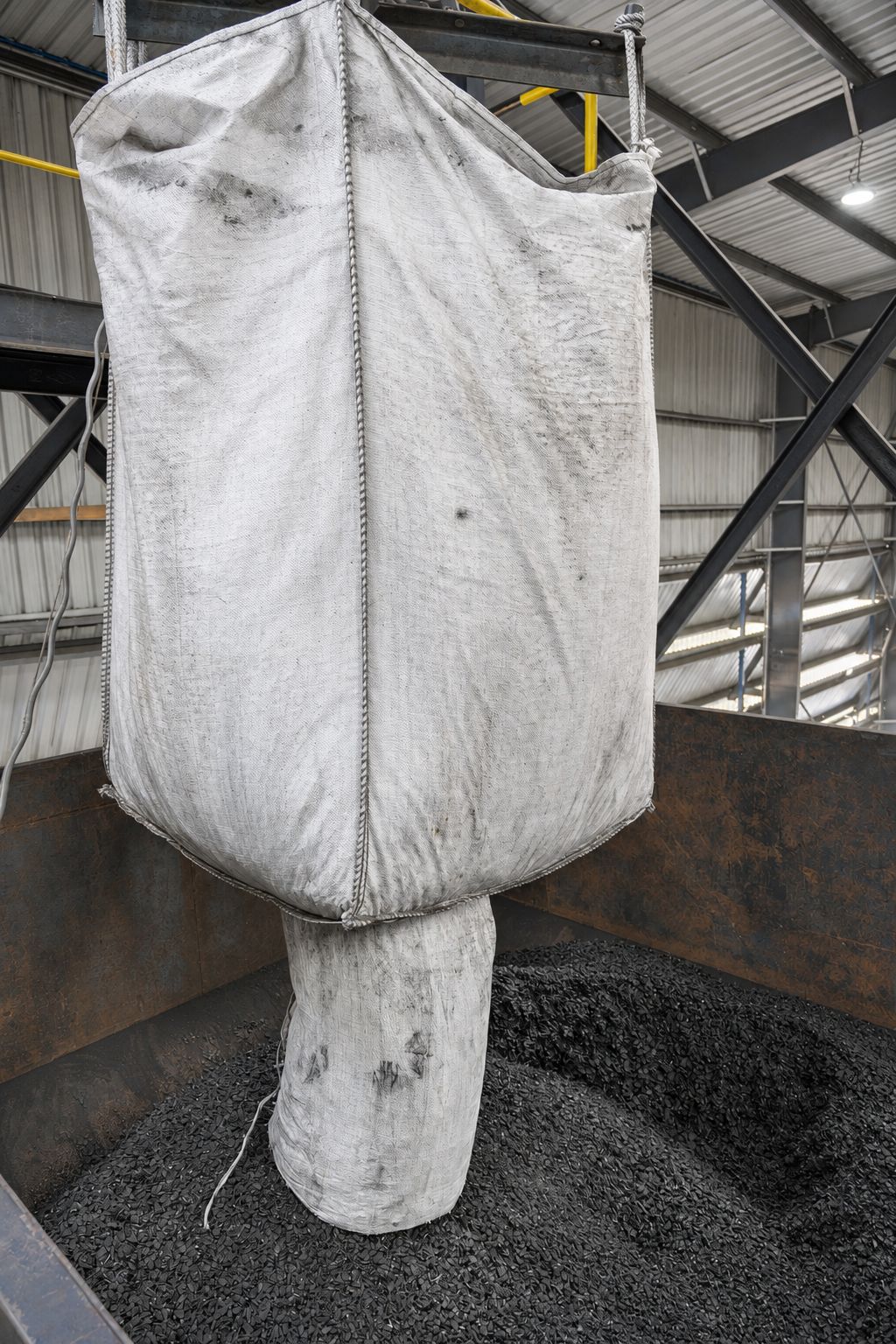
Carbon in column
Gold-bearing solution is pumped through columns of carbon, which adsorbs the gold as the solution passes.
Gold-bearing solution is pumped through columns of carbon, which adsorbs the gold as the solution passes.
How carbon is used here
Gold is extracted from crushed ore by dissolving it in a cyanide solution. Activated carbon adsorbs the dissolved gold, then the gold is stripped from the carbon and recovered, and the carbon is reused. Coconut shell carbon is the standard choice because its hardness stops it from breaking down in the stirred tanks and its micropores hold the gold complex well.
Three properties decide how a carbon performs in a gold plant: activity (how fast and how much gold it loads), hardness (how much it loses to attrition), and its behaviour after reactivation. Together they set the cost of carbon per ounce of gold.
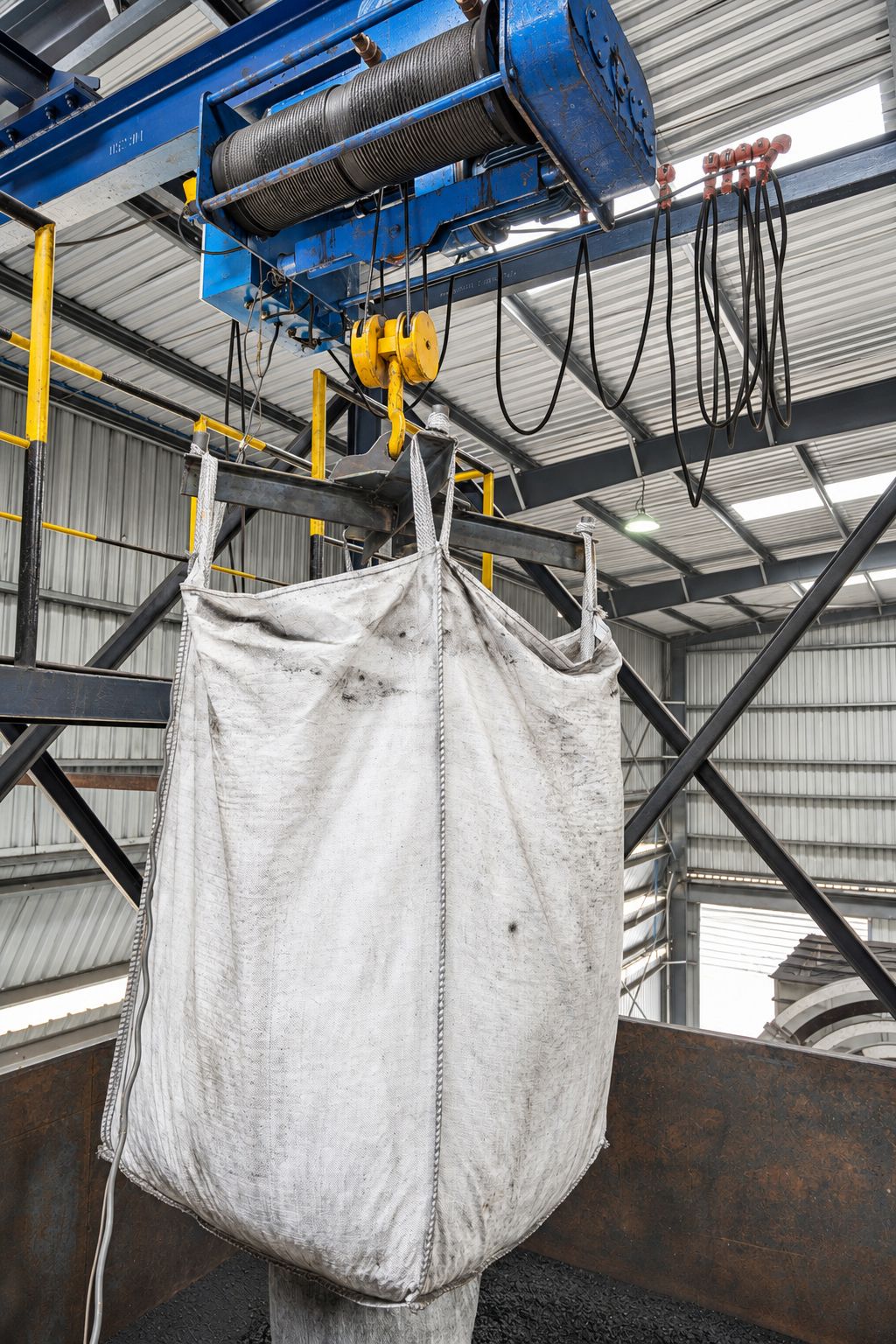
Grades we recommend
What to look at
Activity
High CTC and iodine for fast gold loading.
Hardness
Resists attrition in agitated tanks.
Reactivation
Holds its structure through thermal cycles.
Size distribution
Tight sizing for screens and transfers.
What to send when you enquire
- Circuit type (CIP, CIL or column) and tank sizes
- Ore type and slurry density
- Current carbon, size and loading achieved
- Annual carbon consumption
- Packing and port of delivery