
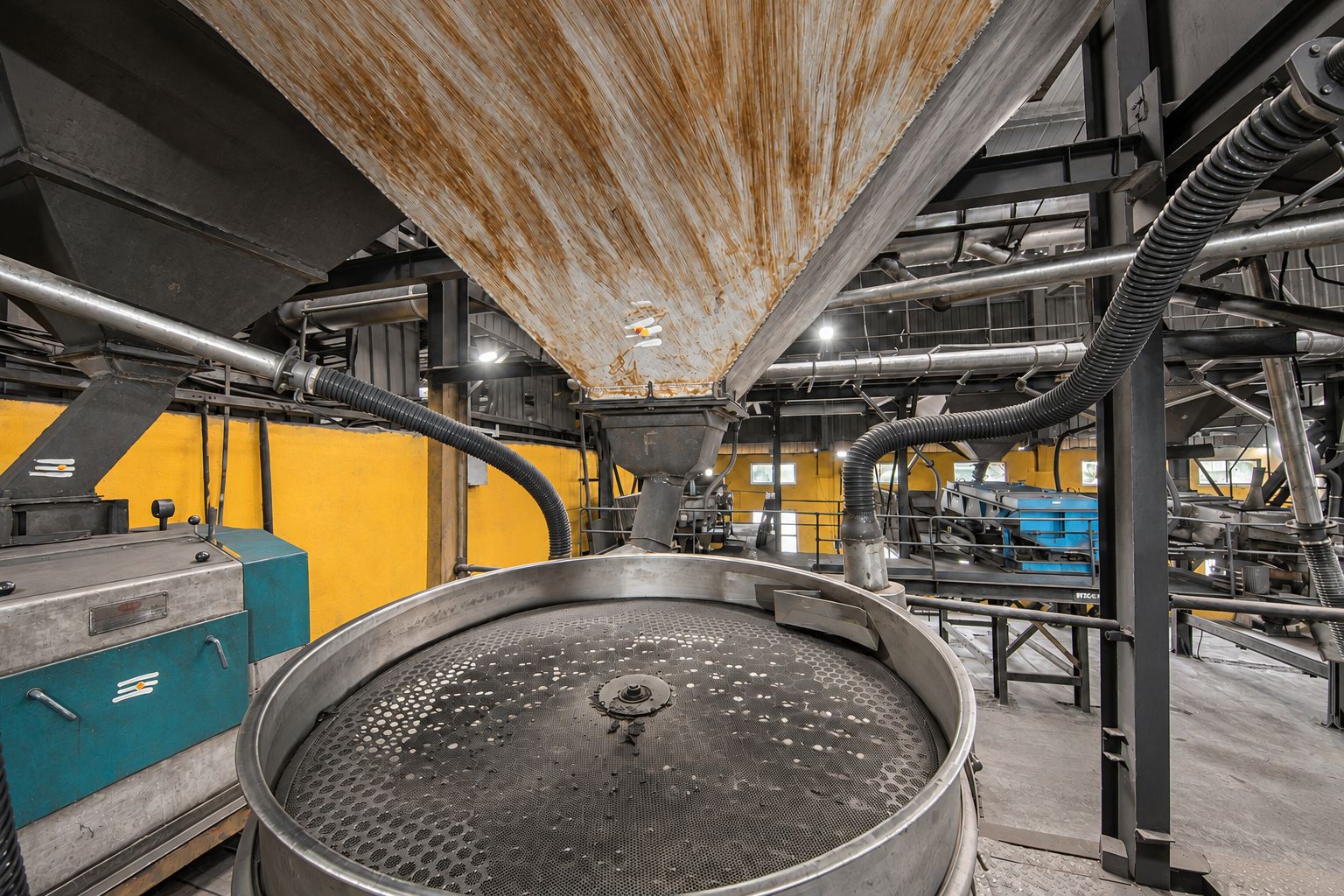
Aquarium
Aquarium filters use carbon to remove dissolved organics and discoloration. Grade and scope to be confirmed.
Aquarium filters use carbon to remove dissolved organics and discoloration. Grade and scope to be confirmed.
How carbon is used here
Activated carbon removes chlorine, taste and odor compounds, organic micropollutants and colour from water. In drinking water plants it is used as a granular bed or as powder dosed ahead of filtration. In industrial and wastewater plants it polishes effluent and protects reverse osmosis membranes.
Coconut shell carbon suits water well: its micropores hold small organic molecules, its hardness handles backwashing, and its low ash keeps the water clean.
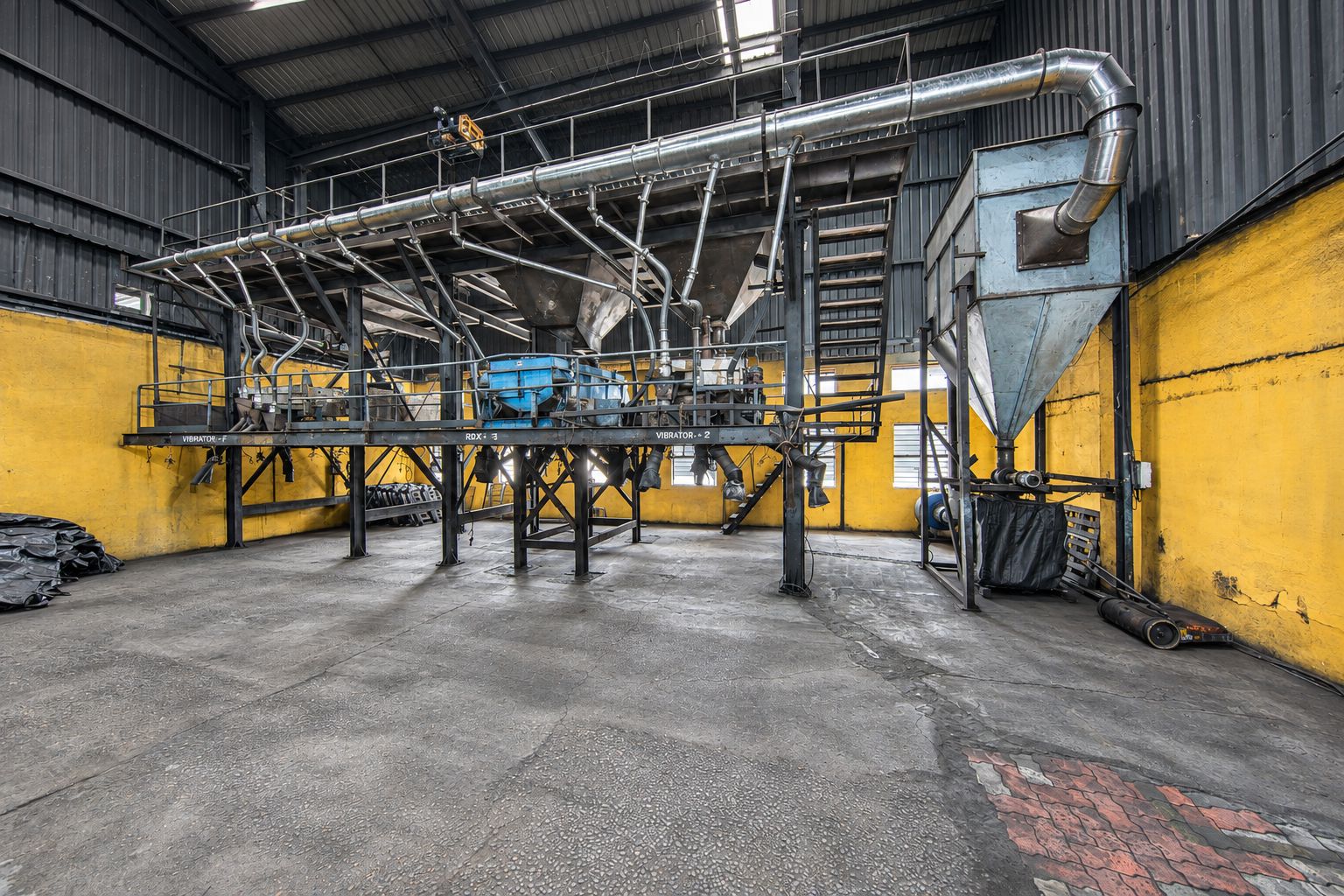
Grades we recommend
What to look at
Iodine number
Capacity for small organic molecules.
Hardness
Survives backwash without fines.
Low ash and extractables
Keeps product water clean.
Contact time
Sets the bed size.
What to send when you enquire
- Water source and flow rate
- Contaminants to remove and target level
- Vessel size and contact time
- Backwash practice
- Current carbon and replacement interval