Introduction
With growing global attention on climate change, industries are seeking cost-effective methods to capture and reuse carbon dioxide (CO₂). Activated carbon has emerged as a reliable and energy-efficient adsorbent for CO₂ removal, purification, and recovery in industrial gas streams.
Activated carbon is an eco-friendly solution for carbon capture, offering high adsorption capacity, easy regeneration, and low energy consumption.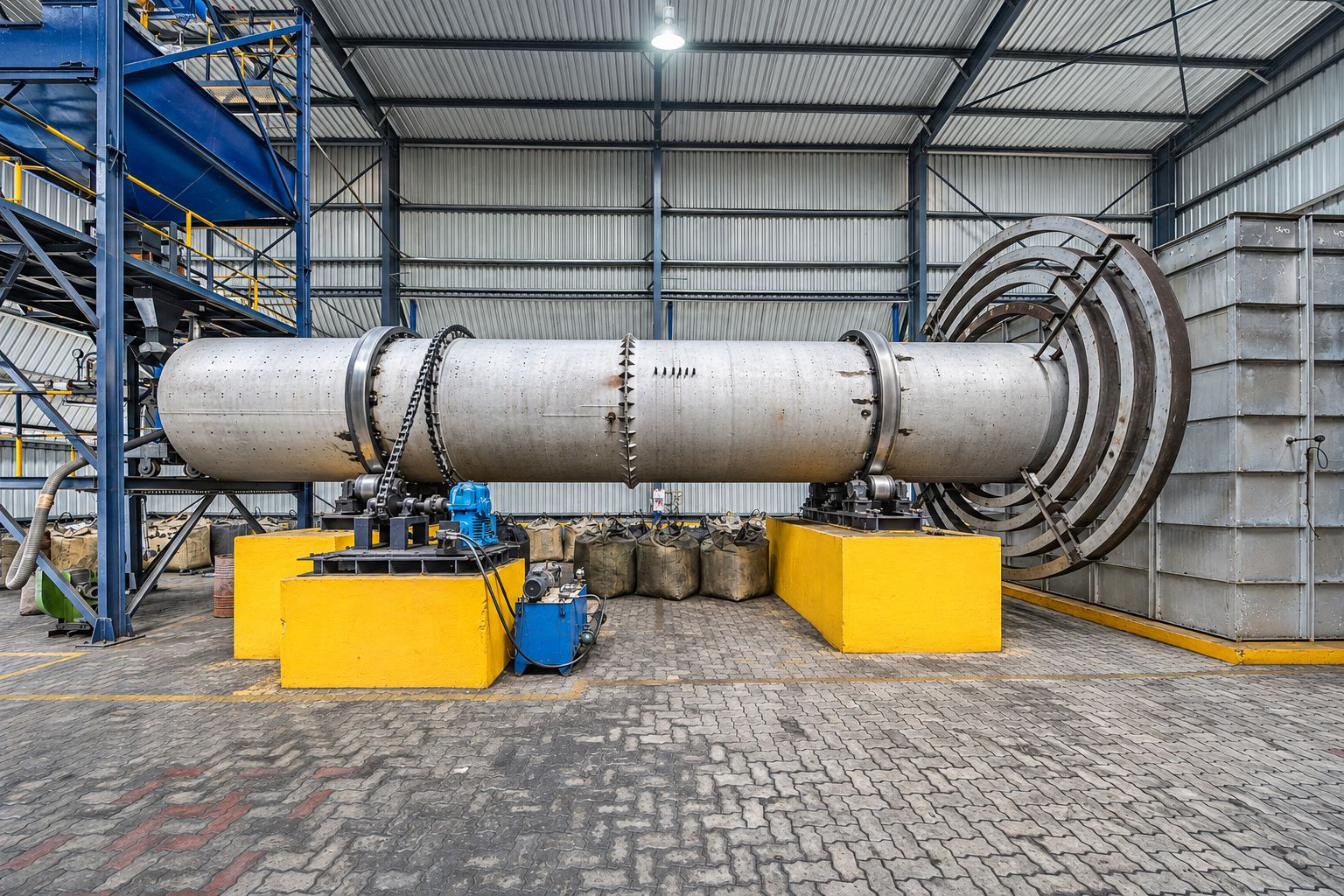
Mechanism of CO₂ Adsorption
Activated carbon adsorbs CO₂ primarily through physisorption, a process where gas molecules are held by van der Waals forces on the carbon surface. The efficiency depends on surface area, pore volume, and the distribution of micropores (less than 2 nm).
Physical adsorption
- Occurs on microporous surface
- Reversible, carbon can be regenerated
- Favored by high pressure and low temperature
Chemical modification
- Impregnation with amines or alkaline compounds enhances CO₂ affinity
- Functionalized carbons achieve higher selectivity
- Used in hybrid carbon capture systems
Factors Affecting Performance
- Surface area and pore size: Micropores (<2 nm) are ideal for CO₂ adsorption.
- Moisture content: Water molecules can compete with CO₂; dry gas increases efficiency.
- Temperature: Adsorption is exothermic; lower temperatures enhance capacity.
- Pressure: Higher partial pressure of CO₂ increases loading capacity.
- Carbon modification: Impregnated carbons (KOH, NaOH, MEA) offer higher CO₂ selectivity.
Advantages of Using Activated Carbon for CO₂ Capture
- High surface area and microporosity for enhanced adsorption.
- Excellent regenerability with minimal energy input.
- Lower cost compared to zeolites and MOFs.
- Thermal and chemical stability for repeated cycles.
- Eco-friendly and sustainable production sources (e.g., coconut shell-based carbon).
Industrial Applications
Gas Purification
- Removal of CO₂ from natural gas and biogas streams
- Hydrogen and methane purification
- CO₂ recovery in ammonia and urea plants
Environmental & Air Treatment
- Flue gas treatment from cement and power plants
- Indoor air CO₂ control systems
- Carbon capture and storage (CCS) pilot projects
Comparison: Activated Carbon vs Other Adsorbents
| Adsorbent | CO₂ Capacity | Regeneration Energy | Cost | Durability |
|---|---|---|---|---|
| Activated Carbon | High | Low | Economical | Excellent |
| Zeolites | Moderate, High | High | Expensive | Moderate |
| Metal, Organic Frameworks (MOFs) | Very High | High | Very Expensive | Low, Moderate |
| Amines | High (chemical bonding) | High | Moderate | Corrosive / Degradable |
FAQs
Can activated carbon be regenerated for reuse?
Yes. It can be regenerated through mild heating or pressure swing processes, restoring most of its adsorption capacity.
Which activated carbon type is best for CO₂ capture?
Microporous coconut shell, based carbons and chemically modified carbons offer high CO₂ uptake and durability.
Is activated carbon carbon neutral?
When sourced from renewable biomass and used for CO₂ capture, activated carbon contributes significantly toward carbon-neutral processes.