From Coconut Charcoal to High-Performance Industrial Adsorption Material.
Industrial Activated Carbon is one of the most powerful purification materials used across water treatment, air filtration, gold recovery, and chemical industries. The performance of activated carbon depends heavily on how it is manufactured.
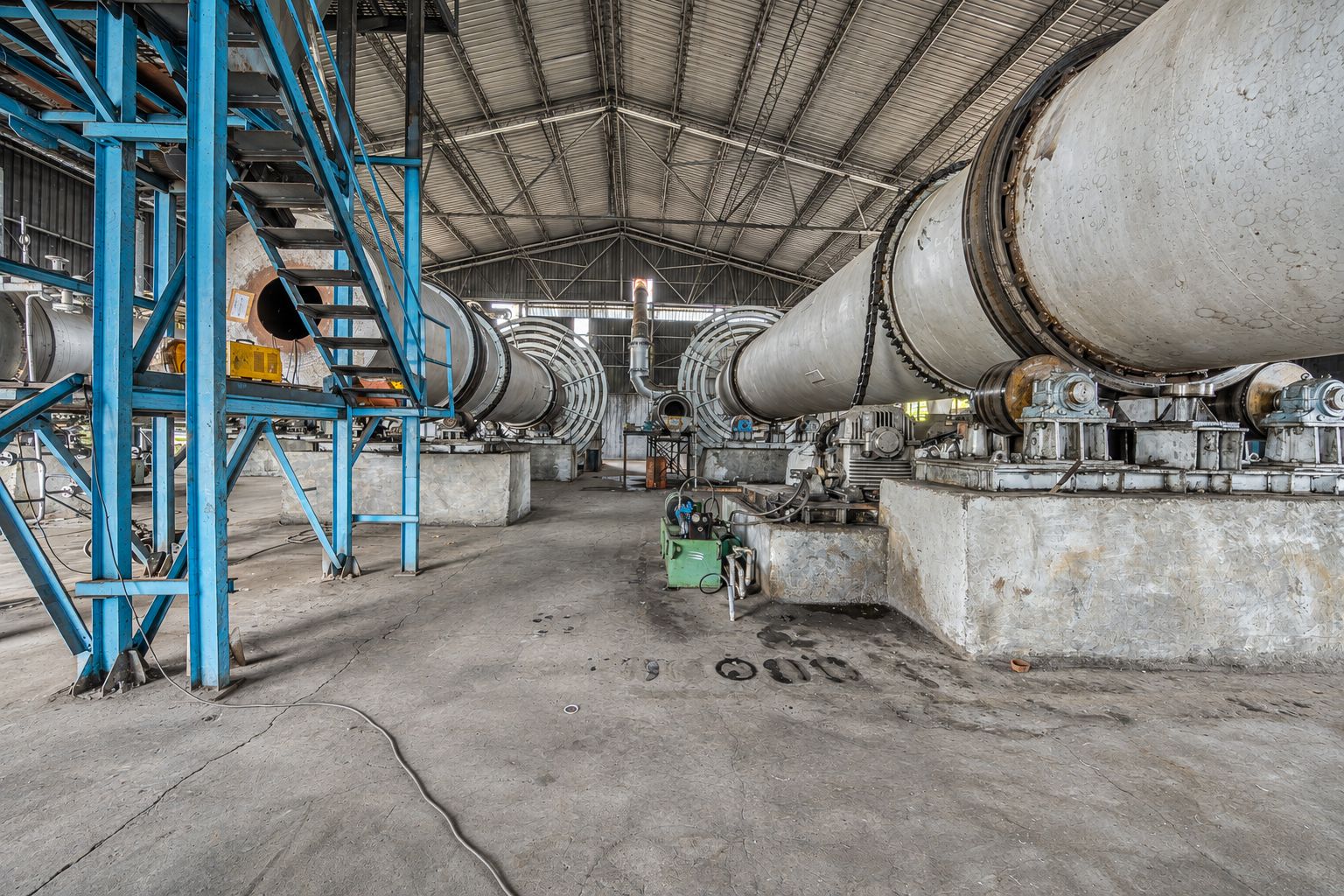
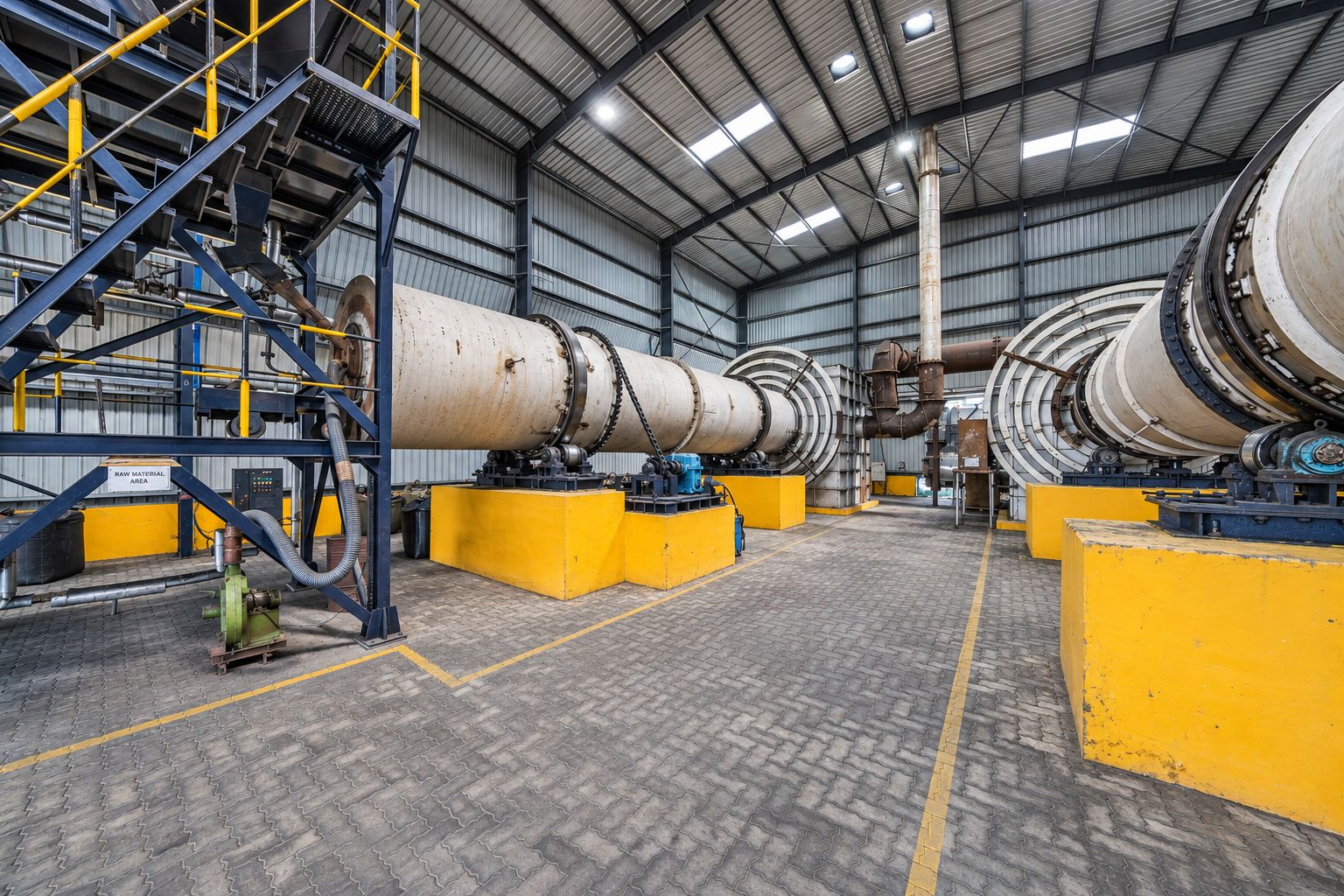
At Carbure, high-quality Coconut Charcoal is processed using superheated steam at 1000°C to create Steam Activated Carbon with a surface area of 600, 2000 m²/g. This advanced manufacturing process ensures superior adsorption capacity, durability, and consistency for industrial applications.
Step by Step Manufacturing Process of Activated Carbon
The production of industrial activated carbon involves a controlled multi-stage process that transforms raw coconut shells into highly porous adsorption material.
✔ Raw Material Selection
High-quality coconut shells are selected for their hardness, purity, and ideal carbon structure.
✔ Carbonization Process
Coconut shells are heated in controlled conditions to reduce volatile compounds and convert them into Coconut Charcoal.
✔ Steam Activation
The charcoal is exposed to superheated steam at 1000°C to create millions of micro and mesopores.
✔ Cooling & Stabilization
The activated carbon is cooled and stabilized to maintain pore structure and mechanical strength.
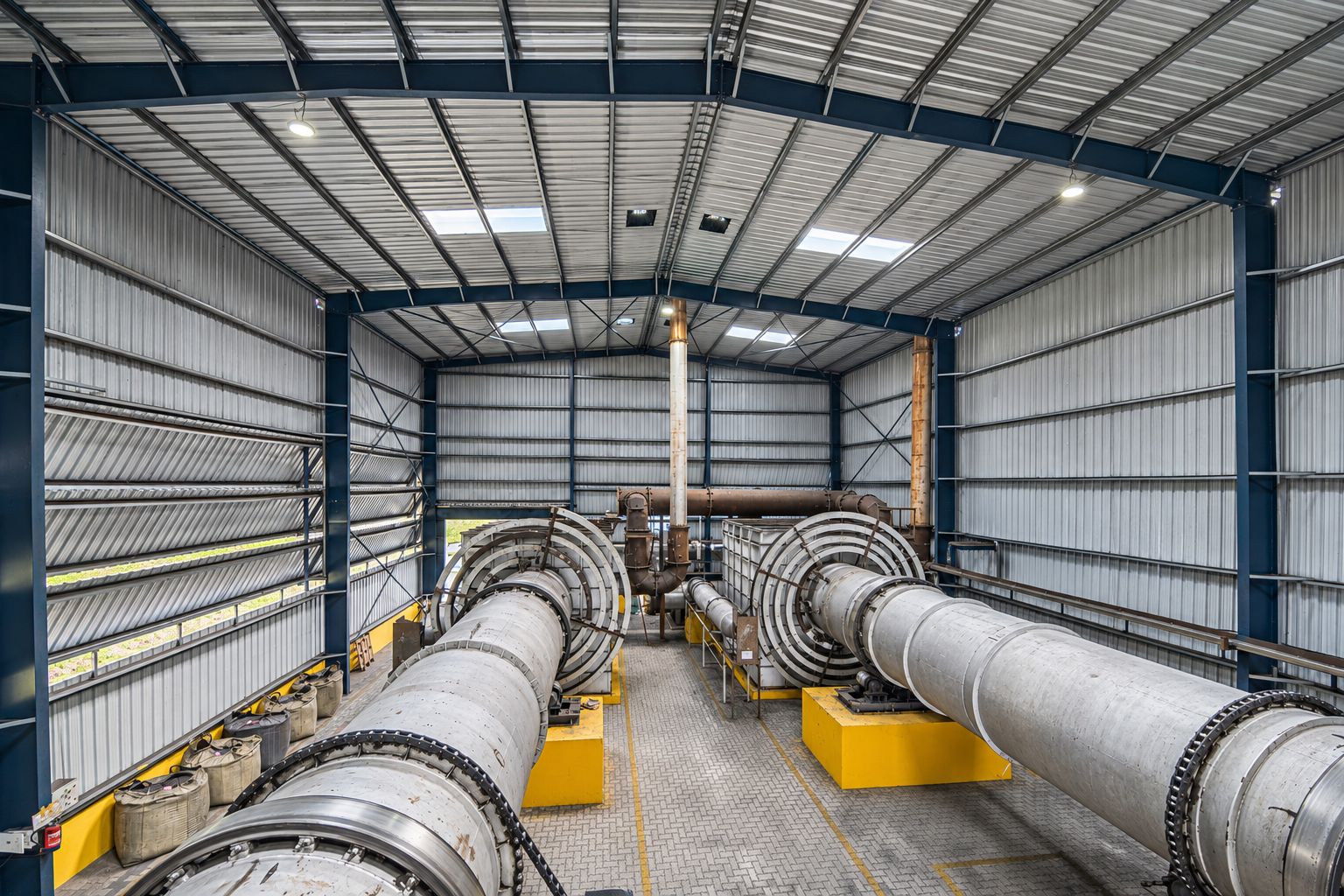
Detailed Industrial Activation Process
- Selection of premium coconut shells as raw material
- Controlled carbonization to remove volatile compounds
- Steam activation at high temperature (around 1000°C)
- Development of high surface area (600, 2000 m²/g)
- Formation of micro, meso, and macroporous structure
- Screening and sizing into required particle sizes
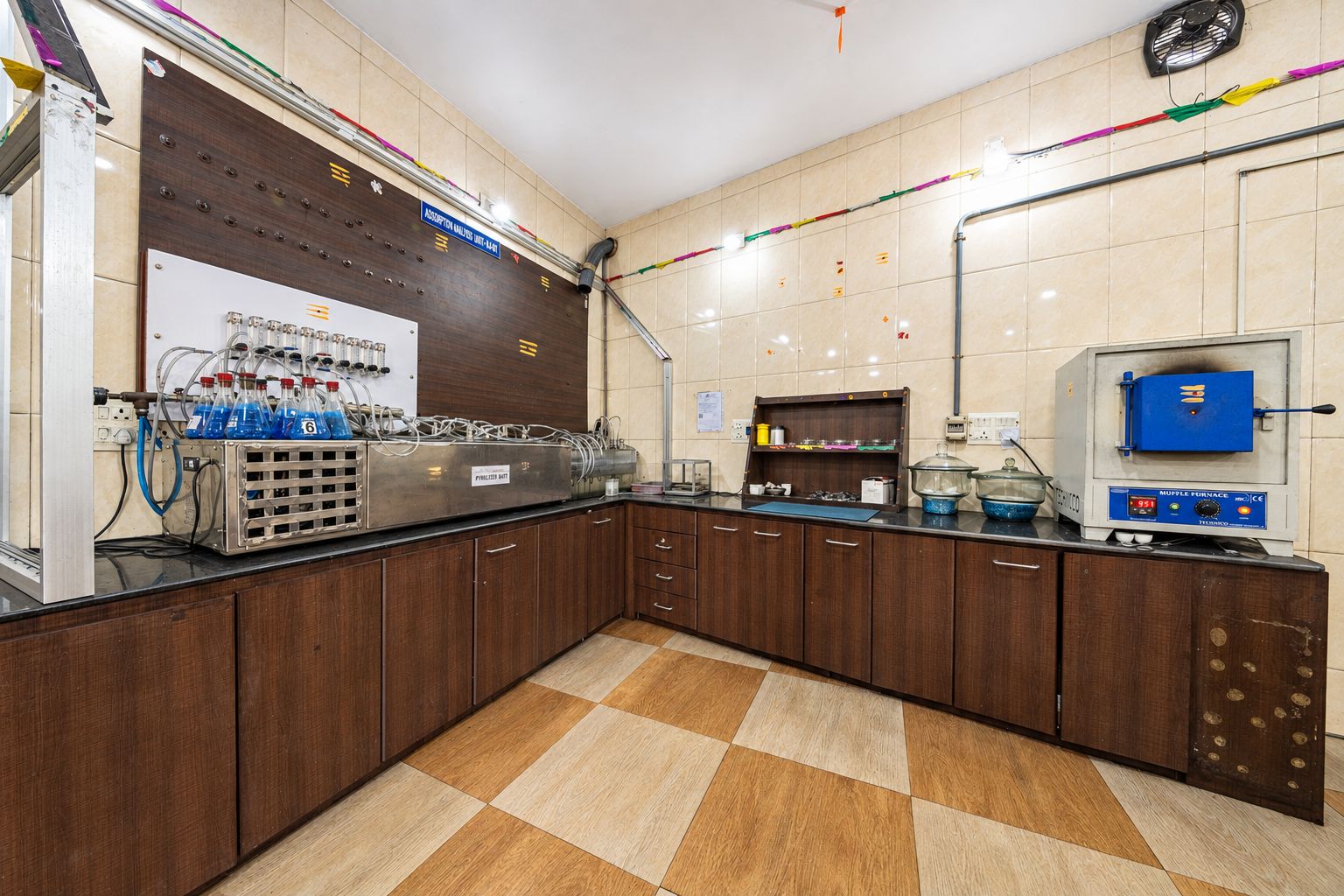
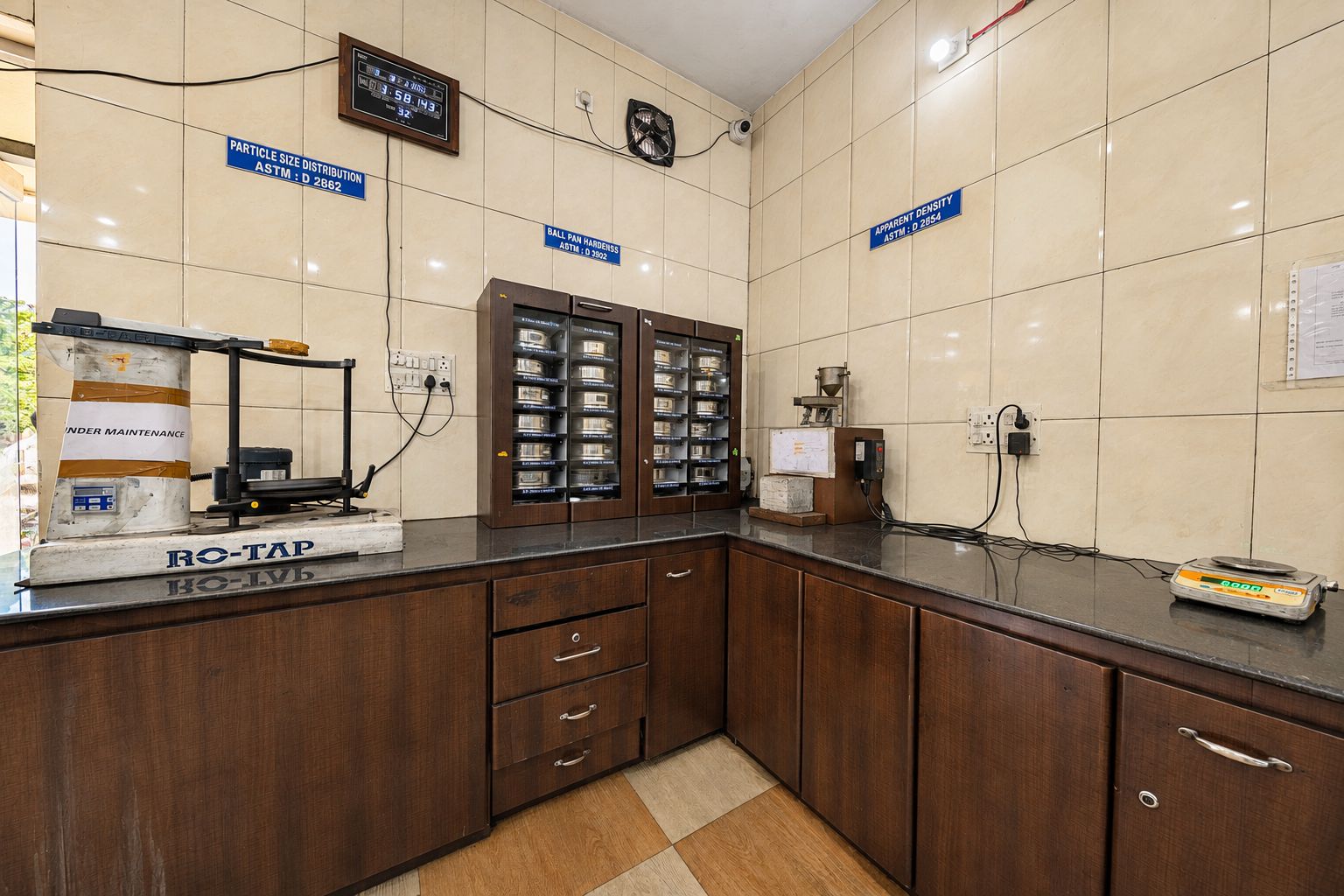
- Quality testing for hardness, ash, moisture, and iodine value
- Final packaging for industrial applications
Why Manufacturing Process Matters in Performance
The efficiency of activated carbon is directly linked to how it is manufactured. Proper activation ensures the right pore structure, which determines adsorption capacity and performance in industrial applications.
- Higher surface area improves adsorption efficiency
- Controlled pore structure enhances contaminant removal
- Strong hardness reduces carbon breakage and fines
- Low ash ensures high purity output
- Consistent production ensures reliable performance
This is why Steam Activated Carbon derived from Coconut Charcoal is widely preferred in high-performance industrial purification systems.
Advantages of Steam Activated Carbon Manufacturing
The steam activation process offers several advantages over other methods, making it ideal for industrial-grade applications.
- High adsorption capacity (600, 2000 m²/g)
- Environmentally friendly process
- Superior microporosity for chemical adsorption
- Better mechanical strength and durability
- Suitable for water, air, and industrial purification
- Consistent quality across production batches
Looking for Industrial Activated Carbon Manufacturer?
Our technical team can help you select the right grade of Steam Activated Carbon for industrial wastewater treatment systems and environmental compliance solutions.